
As pet owners, it’s no secret that small dogs can sometimes bring more than just joy into our homes—especially when unpleasant odors make an appearance! Whether it’s from their bedding, paws, or coats, these smells can be bothersome, especially if you live in a small space. But don’t worry—there are simple, non-medical solutions that can help keep your home fresh and your furry friend comfortable. In this article, we’ll explore budget-friendly pet odor solutions for small dogs that are both effective and easy to implement.
Common Pet Odor Problems
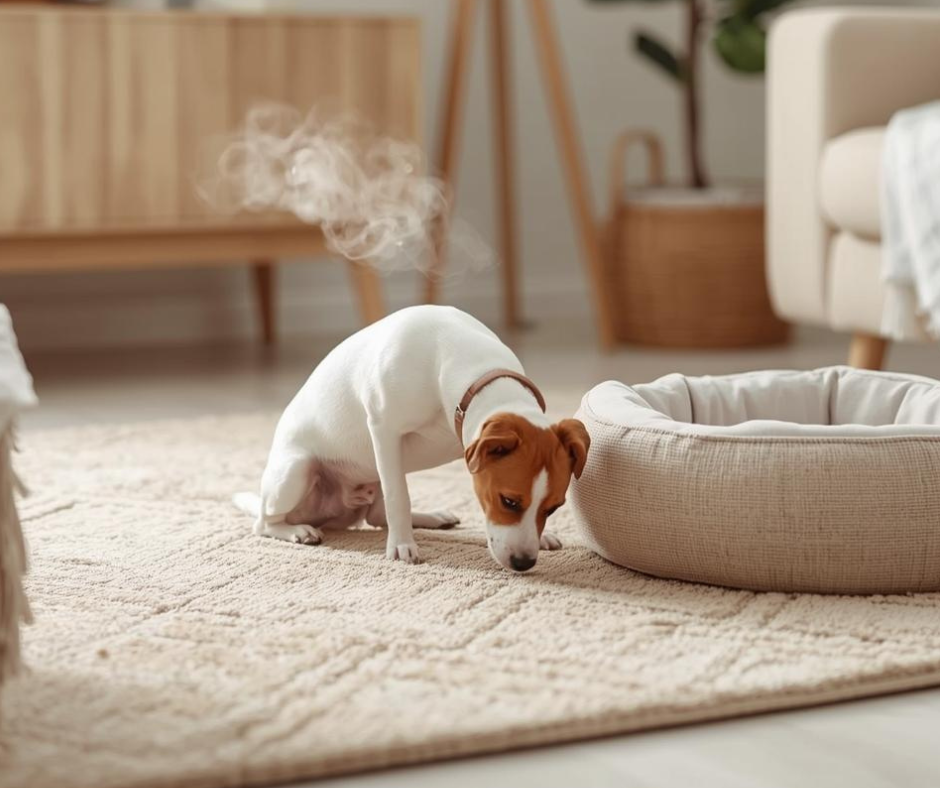
Small dogs may be more prone to certain odor issues due to their size, skin oils, and daily habits. Some common problems include:
Dog Bedding Odors – Beds, blankets, and mats that soak up sweat, oils, and other smells.
Paw Odors – Dirt, moisture, and bacteria that accumulate on your dog’s paws.
Dog Body Odor – Some breeds naturally emit stronger body odors, especially if they are not groomed regularly.
Accidents or “Marking” Odors – Puppies or senior dogs may have accidents indoors, leading to lingering smells.
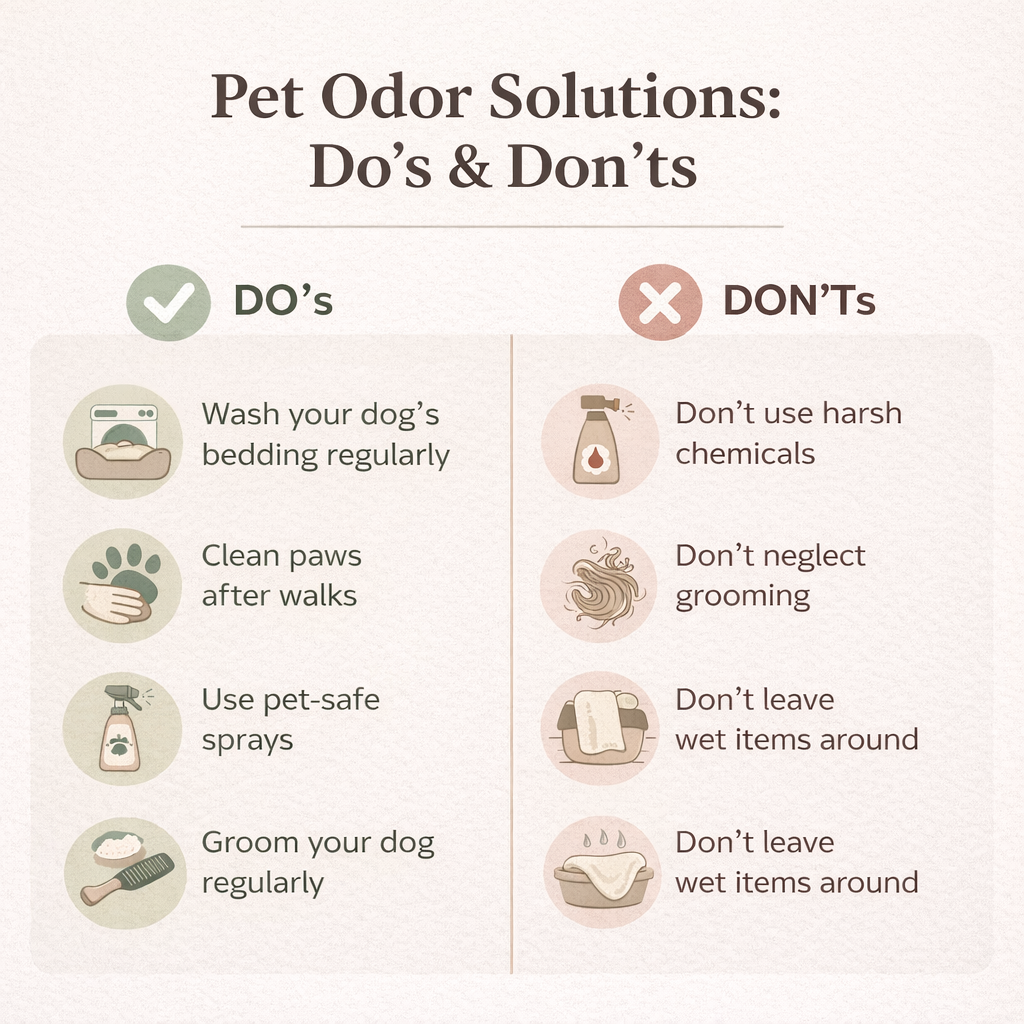
Do’s for Keeping Your Dog Smelling Fresh
In this section, we’ll provide actionable tips that will help you tackle pet odor problems without resorting to harsh chemicals.
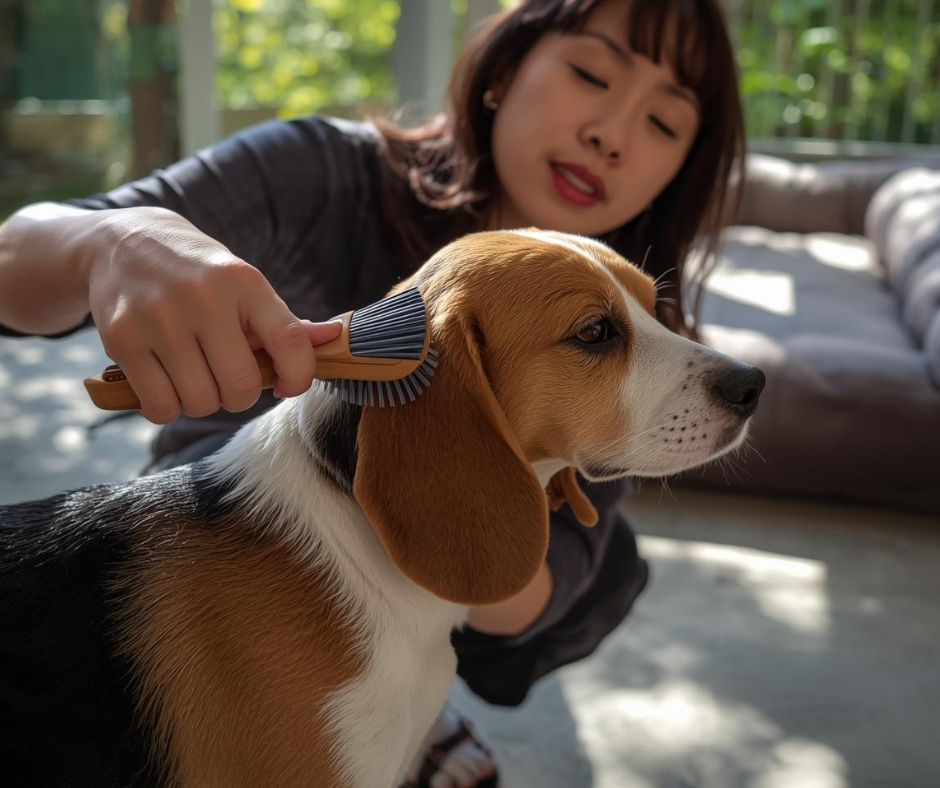
1. Regular Washing of Bedding
Why it helps: Pet beds, blankets, and cushions absorb oils, dirt, and odors from your dog. By washing these regularly, you eliminate the source of unpleasant smells.
Tip: Wash your dog’s bedding at least once a week using a mild detergent, and add a cup of baking soda to the wash to boost odor removal.
2. Grooming Your Dog Regularly
Why it helps: Dogs, especially small breeds, can accumulate oils and dirt in their coats, which leads to odors. Regular grooming can keep your dog clean and prevent the buildup of smells.
Tip: Brush your dog every other day to remove loose fur and dirt. Bathing should be done every 3-4 weeks unless necessary.
3. Clean Your Dog’s Paws After Walks
Why it helps: Small dogs, especially those with longer fur, can pick up dirt, moisture, and bacteria on their paws during walks. If left unchecked, this can cause odors.
Tip: Wipe your dog’s paws with a damp cloth or use a pet-friendly paw wipe after each walk.
4. Use Pet-Safe Deodorizing Sprays
Why it helps: Deodorizing sprays made specifically for pets neutralize odors without harmful chemicals, leaving your home and your pet smelling fresh.
Tip: Look for sprays that contain natural ingredients like lavender, eucalyptus, or citrus. Avoid any sprays with artificial fragrances.
Don’ts When Dealing with Pet Odor
It’s just as important to know what NOT to do when trying to eliminate pet odors. Here are some common mistakes to avoid:
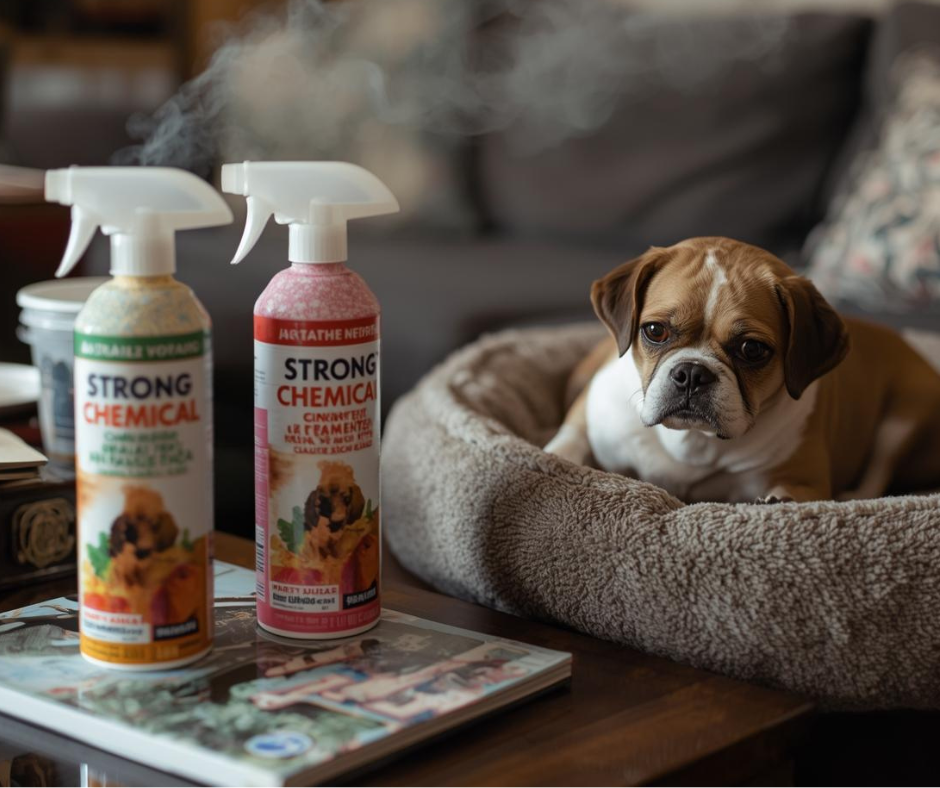
1. Don’t Use Harsh Chemicals
Why it’s harmful: Many cleaning products and air fresheners contain harsh chemicals that are toxic to pets. Always opt for natural, pet-safe products to avoid potential harm to your dog.
Tip: Stick to ingredients like vinegar, baking soda, and essential oils that are safe for both pets and humans.
2. Don’t Neglect Regular Cleaning
Why it’s harmful: Allowing dirt and odor to accumulate can make cleaning harder and odors harder to eliminate. Staying on top of cleaning tasks prevents odors from becoming overwhelming.
Tip: Vacuum your home regularly, especially if you have carpets or rugs. Clean your dog’s living space daily.
3. Don’t Leave Wet Items Around
Why it’s harmful: Wet towels, toys, and bedding can develop musty odors if left unattended.
Tip: Always dry your dog’s belongings immediately after use to prevent moisture-related smells.
Budget-Friendly Pet Odor Solutions
Now, let’s dive into some cost-effective ways to keep your home fresh and free from pet odors.
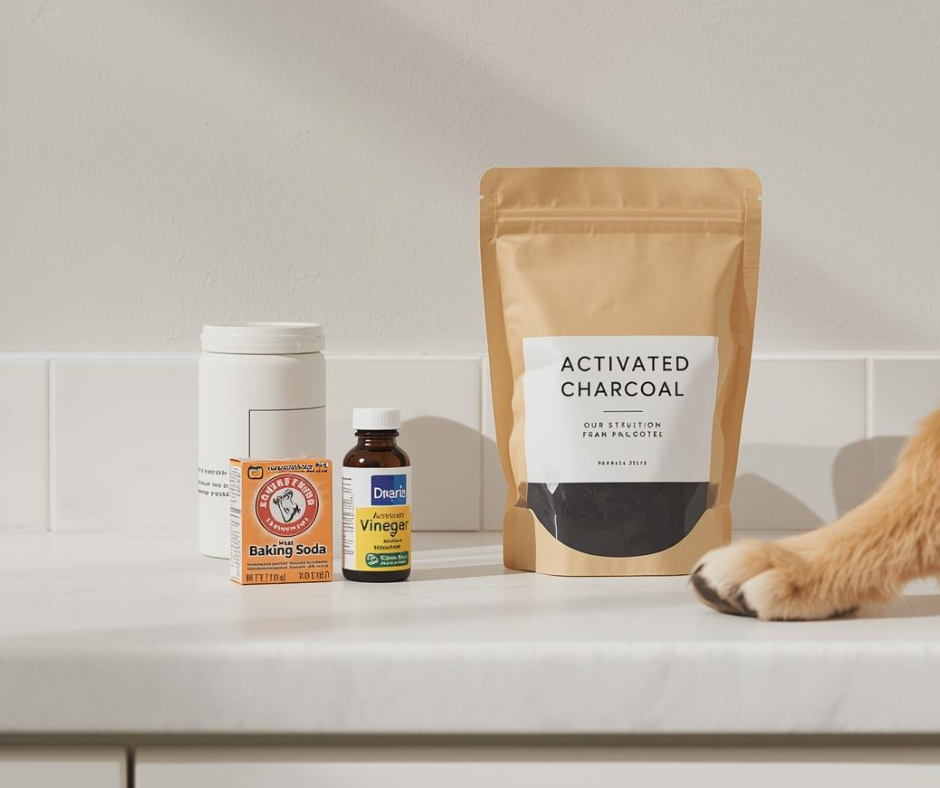
1. Baking Soda and White Vinegar
How it works: Baking soda is a natural odor neutralizer, while white vinegar eliminates bacteria and odors. Both are safe, affordable, and effective.
How to Use: Sprinkle baking soda on carpets, dog beds, or any other surfaces that absorb odors. Let it sit for 15-20 minutes, then vacuum. For cleaning, mix white vinegar with water and spray on surfaces.
2. Activated Charcoal Bags
How it works: Activated charcoal naturally absorbs odors from the air, making it a perfect tool for neutralizing pet smells.
How to Use: Place activated charcoal bags in your dog’s area or near any odor hotspots.
3. Essential Oils (Used Carefully)
How it works: Essential oils like lavender or eucalyptus can provide a fresh scent while acting as natural deodorizers. Just be cautious and use them in moderation.
How to Use: Add a few drops of essential oil to a diffuser or mix with water for a homemade spray. Keep oils away from your pet’s face and be sure not to use them excessively.
Conclusion:
Dealing with pet odors doesn’t have to be expensive or complicated. By incorporating regular cleaning, natural deodorizing products, and a little grooming, you can keep your small dog smelling fresh without breaking the bank. Implementing these simple, budget-friendly solutions will not only benefit your dog’s health but also improve the overall environment of your home.
Has your dog ever had an odor problem? Which of these solutions are you most excited to try? Let us know in the comments below!