10 Grocery Hacks Filipinos Swear By to Cut the Food Bill in Half
Updated May 17, 2026 · 8 min read · By Proud Kuripot
⚠️ Disclosure: This post may contain affiliate links. If you make a purchase through our links, we earn a small commission at no extra cost to you. All recommendations are based on genuine research and our own opinions.
May grocery checklist ka na. Nagtimpla ka pa ng coffee bago umalis ng bahay. Nakapag-budget ka ng ₱3,000 para sa isang linggo — tapos nasa checkout ka na at ₱4,200 na ang total. Paano nangyari ‘yon?
Relate ka ba? Well, you are not alone.
Grocery prices in the Philippines have gotten so expensive that even basic essentials now feel premium. One quick grocery run can easily destroy a weekly budget — especially for families, working adults, and OFWs supporting relatives back home.
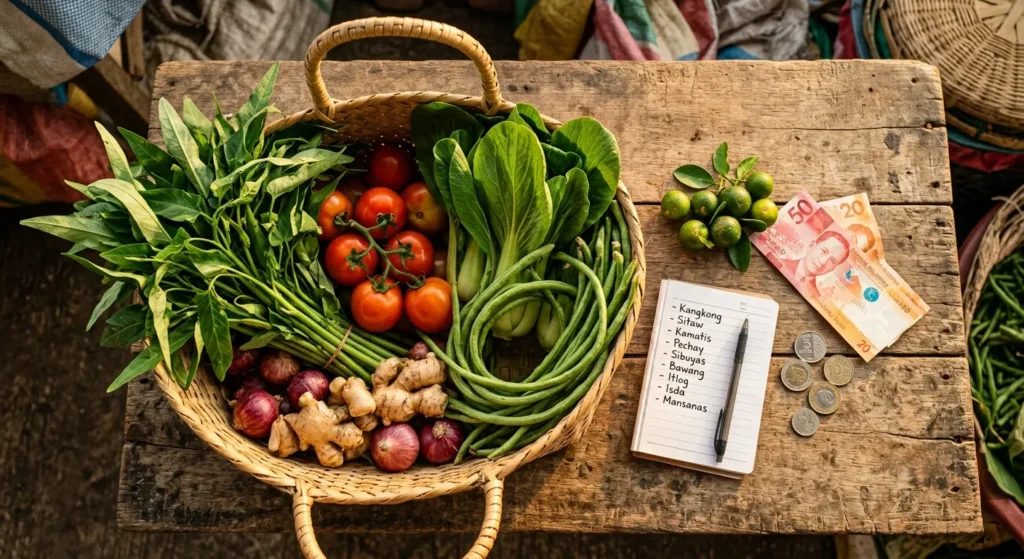
If you’re buying all your vegetables and fish at the supermarket… you’re probably overspending already. Palengke prices are still way cheaper for fresh items — especially fish, gulay, and meat.
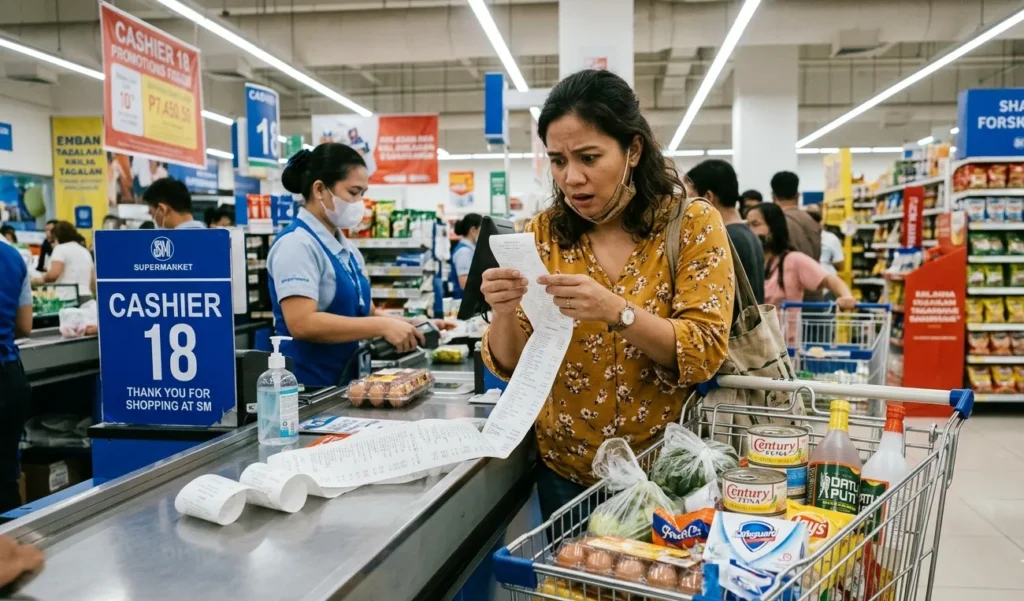
Sound familiar? You’re not alone — Pinoy grocery budgets have been squeezed hard by rising prices.
diskarte — and that’s exactly what this guide is for.”
These 10 grocery hacks aren’t theories from personal finance books. They are tested,
palengke-proven strategies that thousands of tipid-savvy Filipinos — from Cavite to
Cebu, from Riyadh to Toronto — have been quietly using to stretch every peso. Some of
them will save you ₱500 a month. Some will save you way more.
Mag-palengke Muna Before the Supermarket
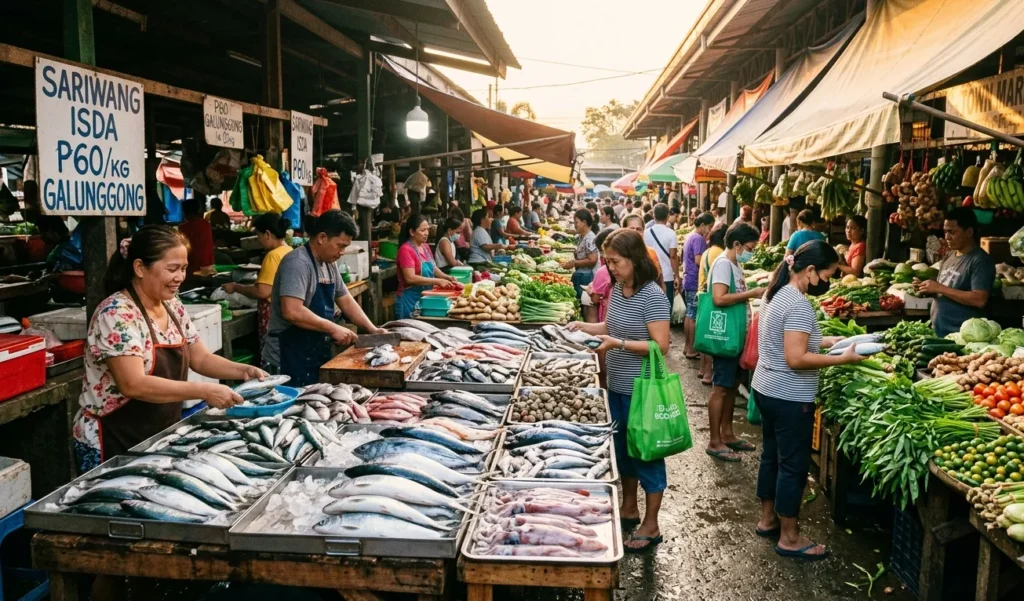
Going early at the palengke = best picks, freshest produce, lowest prices.
Ito ang classic Pinoy move, and for very good reason. The palengke — your local wet market — is where you get fresh produce, seafood, and meat at prices that supermarkets simply cannot compete with. Fish like bangus and galunggong are typically 30–50% cheaper per kilo sa palengke compared to SM or Robinsons. Kangkong, kamatis, and pechay? Expect to pay 20–40% less, and you’re buying the same-day fresh stuff, not three-day-old produce wrapped in plastic.
The secret? Go before 8 AM on weekdays. Mas maraming pagpipilian, mas malamig pa ang isda, and the vendors are more willing to give you a good price before the rush. On weekends, palengke prices can creep up because of demand — so if you can, do your fresh shopping mid-week.
For OFWs na nagpapadala ng pera sa pamilya: tell your family to split the grocery trip. Palengke first for all the fresh stuff — gulay, karne, isda — then one quick supermarket trip for shelf-stable items only. This one habit alone can shave ₱800–₱1,200 off a typical monthly grocery bill.
Bring a reusable bag and small bills. Vendors love exact change and it makes tawad (bargaining) smoother.
💰 Save up to ₱1,200/month on fresh produce & seafood
I-Meal Plan ang Buong Linggo Bago Pumunta sa Grocery
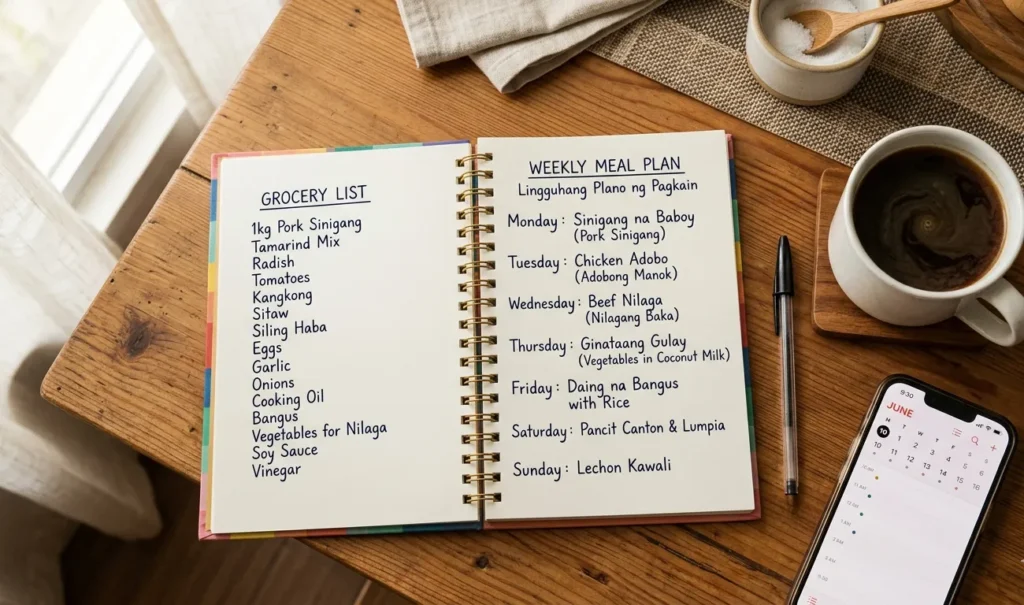
Fifteen (15) minutes of meal planning = hours of stress saved and pesos kept in your pocket.
This is the single most powerful habit you can build, and most people skip it because it sounds tedious. Pero trust the process — just 15 minutes of meal planning before each grocery trip will save you more money than any coupon or promo ever will.
Here’s why: walang meal plan = impulse buying. You walk into the grocery and suddenly you’re throwing things in the cart “baka kailanganin” — ingredients you won’t use, snacks you don’t need, doubles of things you already have at home. Unplanned grocery shopping costs Filipino households an estimated 20–30% more per trip on average.
Start simple: every Sunday, decide on 5 ulam for the week. Base it on what’s already in your pantry first, then list only what you still need. Plan for leftovers — nilaga on Monday becomes sinigang-base on Tuesday. Adobo keeps for 3 days. This is bayanihan cooking at its most efficient.
Looking for a meal planning tool? We use a simple Shopee-sourced
weekly planner pad to organize our groceries. Affordable and game-changing for
staying on budget.
Use Google Sheets to plan your week. Share it with the whole family on their phones — lahat naka-coordinate, walang duplicates sa cart.
💰 Prevent 20–30% impulse spending per trip
I-Split ang Shopping List: Palengke for Fresh, SM for Shelf-Stable
One of the biggest grocery mistakes Filipino families make is buying everything in one place. Pag nandoon ka na sa supermarket, tinatamad ka nang lumabas para pumunta pa ng palengke — so everything ends up in the SM cart at SM prices.
Here’s the smarter move: divide your list into two categories before you leave home. Category 1 — Fresh (palengke): vegetables, fish, meat, eggs, fresh herbs, calamansi, sili. Category 2 — Shelf-stable (supermarket): canned goods, cooking oil, soy sauce, vinegar, rice (if not available at your palengke), toiletries, and cleaning supplies.
Supermarkets actually win on processed and packaged goods — especially during members-only sales at S&R, Landers, or when Puregold runs their Price Club promos. That’s where you buy in bulk. But never buy your fresh gulay and isda sa supermarket kung may malapit na palengke.
Do palengke first, supermarket second. That way you know how much fresh stuff you already have and won’t overbuy proteins sa grocery.
💰 Save ₱300–500/month just from the right store per item
Palengke vs Supermarket
Which Store is Actually Cheaper? (Updated May 2026)
Hindi lahat ng pagkain ay mas mura sa palengke — and that’s exactly the point. Knowing
where to buy each item is your real secret weapon. With food prices surging in 2026,
this split-shopping strategy matters more than ever. Here’s an updated item-by-item
breakdown based on current Metro Manila market prices:
⚠️ Note on rice prices: PSA reported rice inflation at 15.3% in April 2026. Expect rice prices to be higher than usual — buy from trusted suki or palengke suppliers and compare before purchasing.
| Item | Palengke | Supermarket | Savings | Best Buy At |
|---|---|---|---|---|
| Bangus (1 kg) | ₱170–210 | ₱250–300 | ~30–40% | Palengke |
| Kamatis (1 kg) | ₱60–90 | ₱100–140 | ~35% | Palengke |
| Kangkong (bundle) | ₱20–30 | ₱35–50 | ~40% | Palengke |
| Pechay (bundle) | ₱20–30 | ₱35–50 | ~35% | Palengke |
| Pork liempo (1 kg) | ₱240–270 | ₱290–330 | ~20% | Palengke |
| Chicken cuts (1 kg) | ₱170–210 | ₱200–250 | ~15–20% | Palengke |
| Eggs (1 tray / 30 pcs) | ₱175–200 | ₱180–220 | Similar | Either |
| Rice (5 kg) ⚠️ | ₱350–430 | ₱380–460 | ~10% | Palengke |
| Cooking oil (1 L) | ₱175–210 | ₱175–200 (on promo) | Similar on sale | Supermarket |
| Canned tuna (185g) | ₱48–60 | ₱45–58 (promo) | ~10% on SM promo | Supermarket |
| Soy sauce (bottle) | ₱60–80 | ₱55–75 (branded) | ~10% | Supermarket |
| Sardines (regular can) | ₱28–38 | ₱28–40 | Similar | Either |
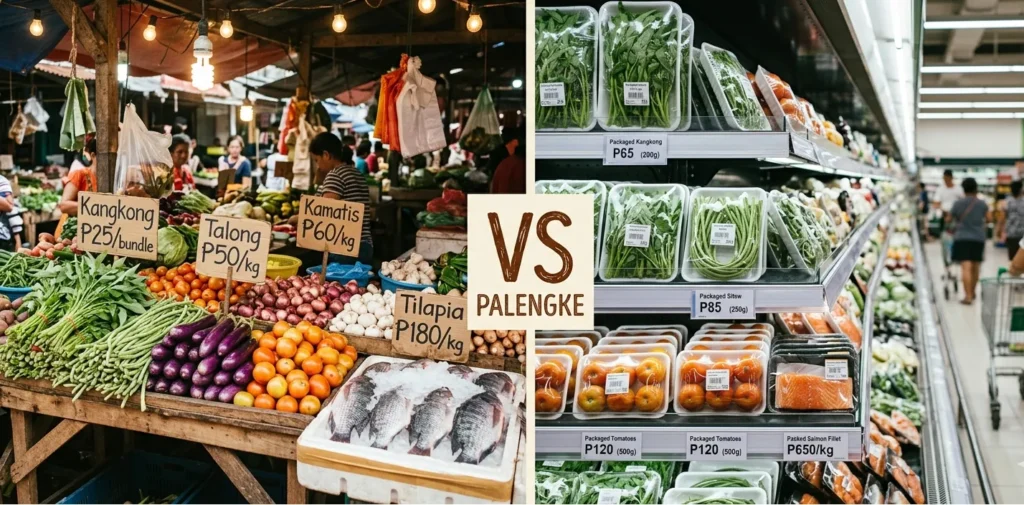
The same basket of goods can cost ₱300–600 more if you buy everything in the supermarket.
I-Max ang Loyalty Cards at Cashback Apps
May SM Advantage po sila?” The question SM cashier staff always ask whenever we shop sa supermarket or department store nila. Do you have SMAC? Robinsons Rewards? Puregold card? Kung hindi pa, you are literally leaving free money on the table every time you grocery shop. These cards accumulate points that you can redeem as grocery credits — effectively getting you free items every few months just for shopping where you normally would anyway.
SM Advantage Card earns 1 point per ₱200 spent. For a household spending ₱4,000/month at SM, that’s 20 points a month, 240 points a year — redeemable for around ₱240 in shopping credits. Parang libre na yung isang buwan na sinampalukang manok sa pamilya mo.
Para sa mga OFW na nagmamandato ng pamilya sa grocery: Shopee and Lazada also run regular grocery flash sales with ShopeePay and GCash cashback. Coordinate with your family to purchase grocery items online from Shopee Mart or LazMart during these promos — 10–20% cashback on select grocery items is common during payday weekends.
Shop groceries on Shopee with cashback! Use our link to browse
Shopee Mart’s latest grocery deals — plus stackable cashback coins on every order.
Always have GCash, ShopeePay, AND Maya installed. Each has different merchant partnerships — one app might give 10% back at Mercury Drug while another gives 15% at SM. Check before you pay.
💰 Earn ₱200–800/month in points and cashback
Mag-switch na sa Store Brands — Pareho Lang, Mas Mura
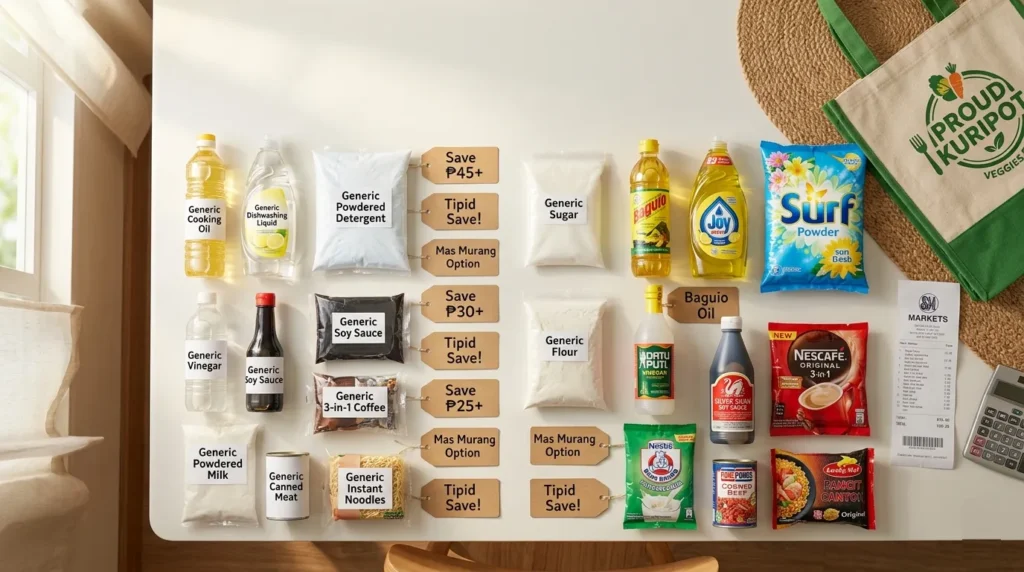
Store brands are made in the same factories as the branded ones — just without the marketing cost.
Here’s an industry secret: store brand products (SM Bonus, No Name at Robinsons, Puregold’s own line) are often manufactured in the exact same factories as the branded versions you’ve been buying for years. The difference? You’re not paying for the TV commercials.
Store brands are typically 15–30% cheaper than their branded counterparts. For items like sugar, salt, all-purpose flour, white vinegar, soy sauce, dishwashing liquid, laundry detergent, and basic toiletries — switching to store brands won’t change your daily life at all, but it will quietly change your grocery bill.
Saan dapat mag-iingat? Branded products do win in specific categories: coffee
(quality difference is noticeable), certain condiments like Knorr cubes or Mama Sita
mixes, and some personal care items. But for basics? Store brand wins every time.
Try this: switch to the store-brand version of 5 grocery items you regularly buy for just one week. You’ll probably realize hindi naman ganun kalaki ang difference — except sa presyo.
💰 Save ₱400–700/month on pantry staples
Never, Ever Pumunta sa Grocery Nang Gutom
Grocery shopping while hungry is dangerous for your budget.
Research shows hungry shoppers buy significantly more high-calorie, impulse items than those who ate before shopping. Para sa atin, that translates to an extra bag of chichirya, a pack of tocino na hindi naman nasa lista, at isang extra pack ng mami na “baka makulaan ang bata.”
Before every grocery trip: eat a light meal or snack. Kahit tinapay at kape lang. It’s not just about willpower — it’s about chemistry. An empty stomach triggers hormones that make your brain reward-seeking, which is exactly what supermarket layouts are designed to exploit. Those end-cap displays? The bakery smell pumped near the entrance? Lahat yan ay traps.
Set a rule: if it’s not on the list, it doesn’t go in the cart. For impulse items, tell yourself — “I’ll add it to next week’s list.” Most of the time, you’ll forget about it. That’s the point.
💰 Prevent ₱200–400 in impulse purchases per trip
Maging Suki — Ang Pinaka-Filipino na Money Hack
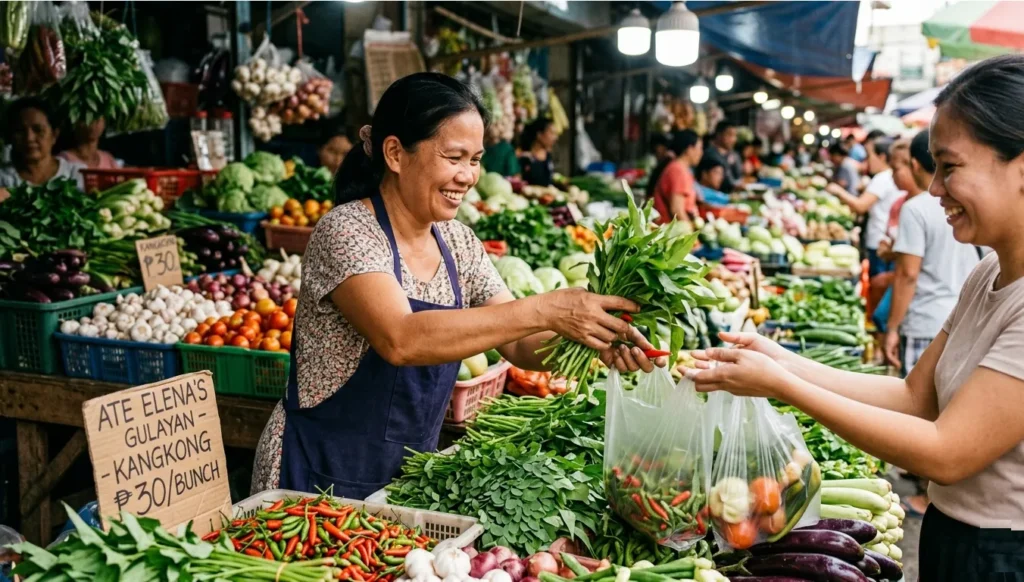
Caption: The suki system is one of the most uniquely Filipino ways to save money — and it works beautifully.
The suki system is one of the most uniquely and brilliantly Filipino savings strategies in existence. It’s a regular customer relationship with a specific vendor — and it comes with real, tangible perks that no loyalty app can replicate.
When you become someone’s suki, things change. Your fishmonger sets aside the freshest pieces for you. Your vegetable vendor throws in a few extra pieces of sili or sibuyas na libre. When you’re short ₱20, they’ll let it slide. These benefits compound over time — a ₱30 lagayan here, an extra 100g ng karne doon, it adds up to hundreds of pesos monthly.
Be a suki to 2–3 vendors only — your isda vendor, your gulay vendor, and your karne vendor. This is enough to unlock meaningful savings without spreading yourself thin.
💰 Extra ₱300–600/month in free tawad, lagay, and extras
Hanapin ang Markdown Rack — Dito Nakatago ang Malaking Tipid
Every supermarket has a markdown section — usually a small rack or corner shelf with yellow sticker tags that say “SALE” or “CLEARANCE.” Nakalagay doon ang mga produktong malapit na mag-expire, near-best-before date items, or slightly damaged packaging. Most shoppers walk right past it. Hindi tayo dapat.
Discounts on markdown items range from 30% to as much as 70% off. We’re talking branded bread, premium yogurt, imported pasta, canned goods — items that are absolutely safe to eat, just not going to last for months. If you’re cooking them within the next 2–3 days, this is perfectly fine.
Buying near-expiry items? Make sure you have good food storage containers to keep them fresh. Check these top-rated options on Shopee Philippines.
Check the markdown section first, before your regular shopping. If you find something you can use, adjust your meal plan on the spot. This is the “diskarte” mindset in action.
💰 Save 30–70% on specific items — up to ₱500/month
Mag-bulk Buy ng Protein Then I-Freeze — Laki ng Natitipid
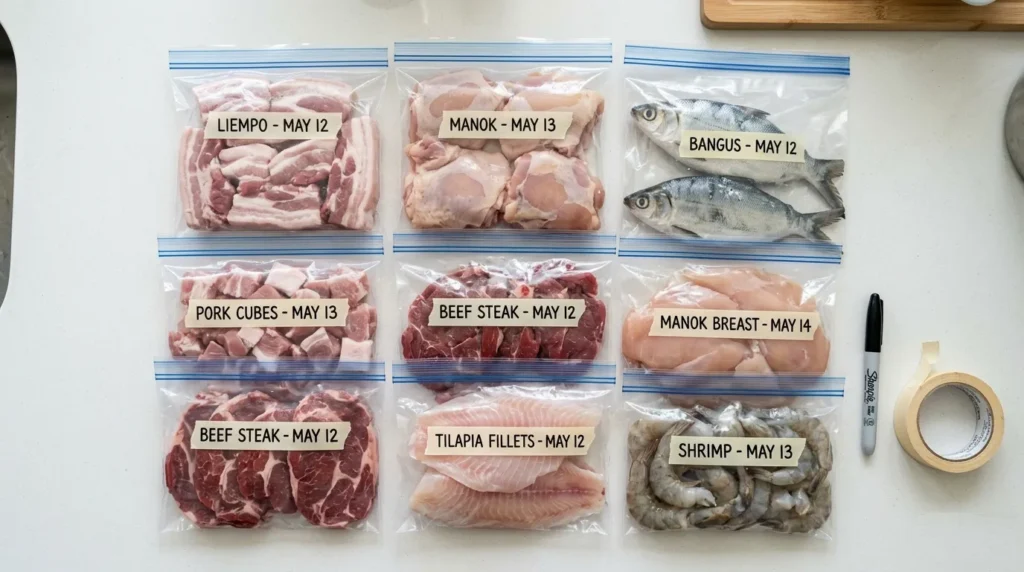
Freeze in meal-sized portions on the day you buy. Label with date and what it is. Instant weekly savings.
Protein — karne, manok, isda — is the biggest cost driver in any Filipino grocery basket. Prices vary enormously depending on timing. Pork liempo can drop by ₱40–60 per kilo during mid-week palengke promos or when the grocery has a clearance sale. Chicken cuts are regularly discounted at S&R or Landers for members.
The strategy: when protein is on sale, buy 2–3x your normal amount. Divide into meal-sized portions — katulad na ½ kilo per ulam — put each portion in a labeled ziplock bag, and freeze immediately. Properly frozen meat lasts 3–6 months with no loss in quality.
❄Bulk freezing made easy: A small chest freezer pays for itself in 2–3 months of bulk protein buying. Here are the most popular ones among Filipino households on Shopee.
Label every bag with the date and contents. “Pork liempo – May 12” is infinitely better than opening five bags of mystery meat. Use masking tape and a permanent marker.
Gamitin ang GCash, ShopeePay, at Maya para sa Grocery Cashback
Ang daming Pilipino ang hindi pa fully nakaka-maximize sa power ng e-wallet cashback for groceries. These apps regularly run promotions where you get 5%–20% back on grocery purchases — whether sa supermarket, online grocery delivery, or even some palengke-adjacent vendors who now accept QR payment.
GCash QR Pay regularly offers cashback at major supermarket chains. ShopeePay gives extra coins during double-double sales (11.11, 12.12) that you can use toward grocery purchases. Maya has consistent grocery merchant promos. Para sa mga OFW na nagre-remit sa Pinas: some remittance-linked GCash top-ups come with grocery vouchers — check GForest and GRewards sections.
The key is to check your app before going to the cashier, not after. Each
app shows its active cashback merchants in the promos or deals section. Spend
2 minutes looking before you check out — it’s literally free money.
Stack cashbacks: pay with a credit card that earns rewards first (if you have one), then route it through GCash or ShopeePay if the promo is active. Double reward on one transaction — diskarte ng una!
💰 Earn ₱200–600/month in cashback on grocery spending
Real Results
Before & After: What These Hacks Can Do to Your Monthly Budget
Let’s put real numbers to it. A typical Filipino family of 4 spending ₱8,000–₱10,000 a month on groceries can realistically bring that down to ₱4,500–₱6,000 by consistently applying even 6 of these 10 hacks. Here’s the breakdown:
Monthly grocery spend
(family of 4, Metro Manila average)
Monthly grocery spend
after applying hacks consistently
Where Filipino Families Spend Their Grocery Budget
22%
30%
18%
10%
12%
8%
Biggest savings opportunities: Protein (bulk-buy & freeze), Snacks (discipline + store brand), Vegetables (palengke).
✅ Your Tipid Grocery Checklist — Print or Save This!
- Plan 5 ulam for the week before writing your grocery list
- Check your pantry and ref before adding anything to the list
- Separate your list: Fresh (palengke) vs Shelf-stable (supermarket)
- Eat before going to the grocery — walang shopping nang gutom!
- Bring exact change and reusable bags for the palengke
- Go to palengke before 8 AM on weekdays for the best picks
- Check your e-wallet apps for active cashback promos before checkout
- Visit the markdown / clearance section first in the supermarket
- Scan for store-brand alternatives on pantry staples
- Show your loyalty card or scan your rewards app at checkout
- Buy protein on sale? Portion and freeze immediately
- If it’s not on the list, put it back — or add it to next week’s list
Want to make grocery shopping even easier? Check out the best grocery delivery services in the Philippines — free delivery promos available via our link for first-time orders.
Final Thoughts
Ang Tipid ay Hindi Tiis — It’s a Skill
Before, saving money or pagtitipid was associated with hardship — na kulang ka, na hirap ka, na
hindi mo kayang bumili ng gusto mo. But the Filipinos who consistently live well
on a budget understand something different: tipid is a skill, not a sacrifice.
These 10 hacks aren’t about depriving your family of good food or good products. They’re about buying smarter, knowing where every peso is going, and making sure your hard-earned money — whether you’re working abroad and sending it home, or stretching a local salary through Manila traffic — goes as far as it possibly can.
“You don’t need to change everything overnight. Even small habits — meal planning, buying store brands, or choosing the palengke first — can already make a huge difference sa grocery bill mo. Proud to be kuripot.”
— The Proud Kuripot Team
Start with just 3 of these hacks this week. See the difference in your next grocery receipt. Then add more. Small changes, consistently applied, add up to thousands of pesos saved every year.

You Might Also Like